Why Dive in Santa Catalina?
There are thousands of places around the world where you can go scuba diving.
Only a handful truly stay with you forever.
Santa Catalina is one of them.
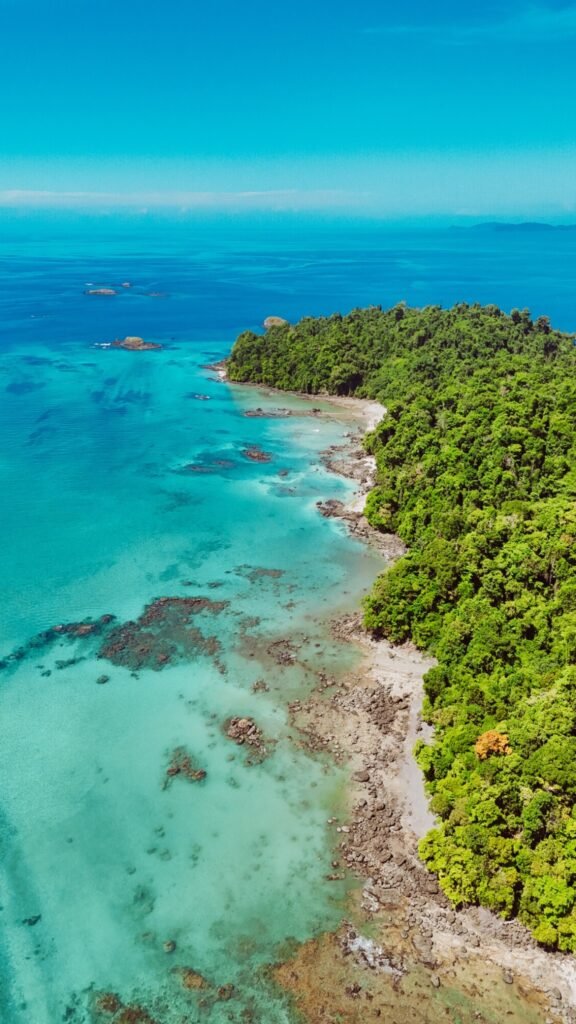
Located on Panama’s Pacific coast, this quiet fishing village has earned an international reputation among divers thanks to one extraordinary place: Coiba National Park. Less than an hour by boat from the village, this protected marine reserve is considered one of the most spectacular diving destinations in the Eastern Tropical Pacific and is often ranked among the best dive sites in Central America.
What makes Coiba so unique isn’t just the incredible visibility or the abundance of marine life.
It’s the feeling that you’re diving in an ecosystem that still functions almost exactly as nature intended.
Unlike many famous dive destinations that have been heavily developed over the years, Coiba has remained remarkably untouched. There are no large resorts on the island, no marinas and very little human impact. Every dive feels wild, authentic and completely different from the last.
Whether you’re a newly certified Open Water diver or an experienced professional with hundreds of logged dives, Coiba offers unforgettable underwater experiences throughout the year.
If scuba diving is one of the main reasons you’re visiting Panama, Santa Catalina should absolutely be on your itinerary.
UNESCO Marine Park
In 2005, Coiba National Park was officially designated a UNESCO World Heritage Site, recognizing its exceptional ecological value and its importance for marine conservation worldwide.
Covering more than 2,700 km² (over 1,000 square miles) of protected ocean, islands and coral reefs, Coiba is one of the largest marine protected areas in the Eastern Tropical Pacific.
Thanks to decades of conservation, the park has become a sanctuary for an astonishing variety of marine species. Nutrient-rich currents flowing through the Pacific create ideal conditions for both resident wildlife and large migratory animals, making every dive a unique experience.
Depending on the season and a little bit of luck, divers may encounter:
- 🦈 White-tip reef sharks
- 🦈 Bull sharks
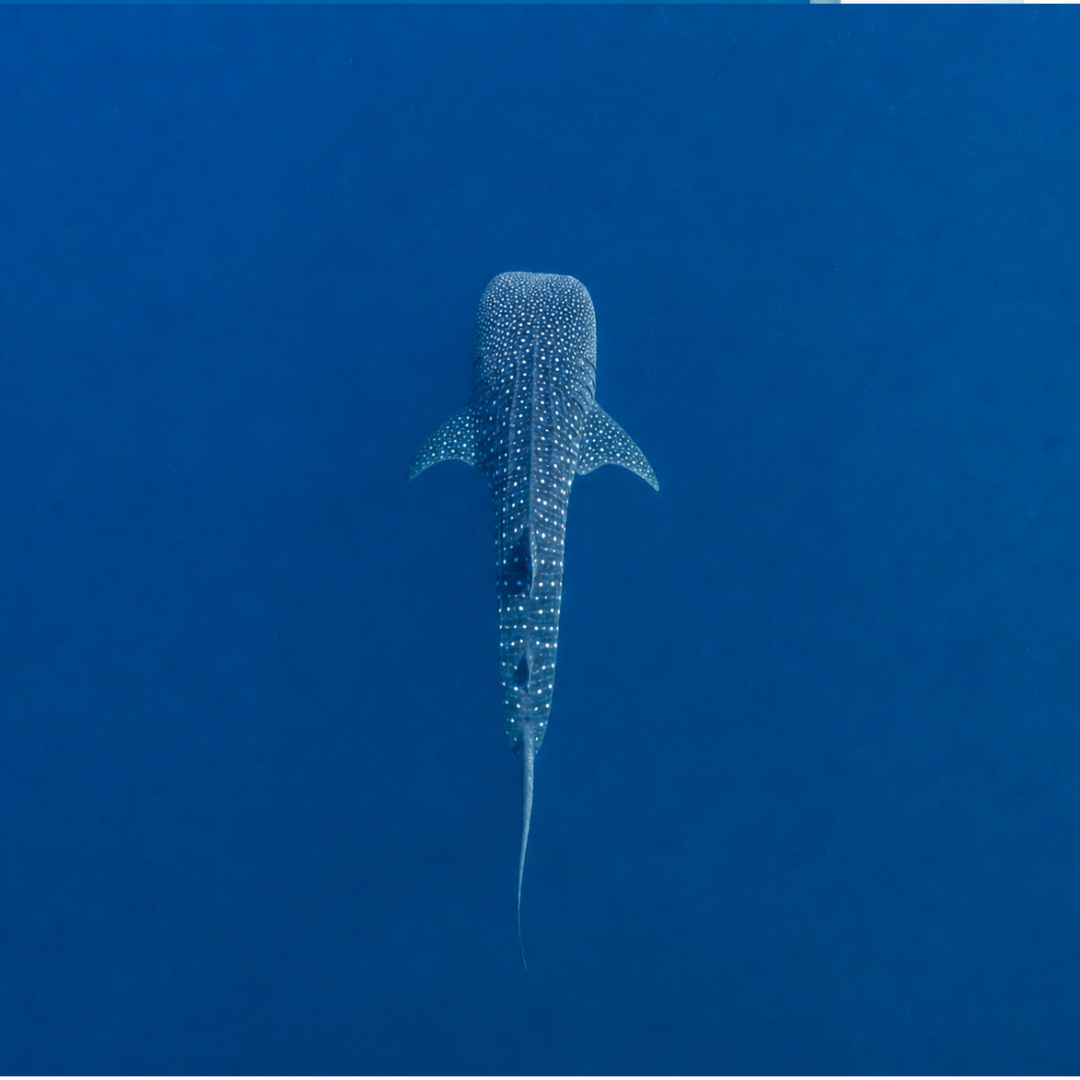
- 🦈 Whale sharks (seasonal)
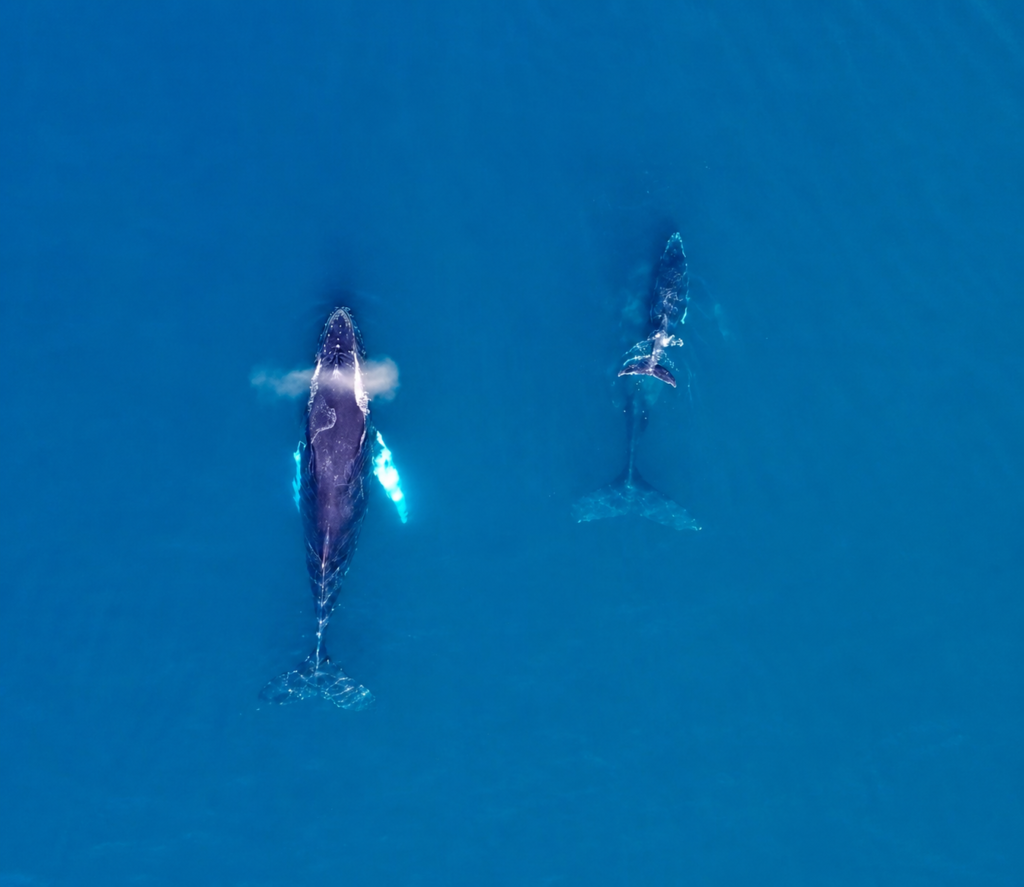
- 🐋 Humpback whales (from July to October)
- 🐢 Green sea turtles and hawksbill turtles
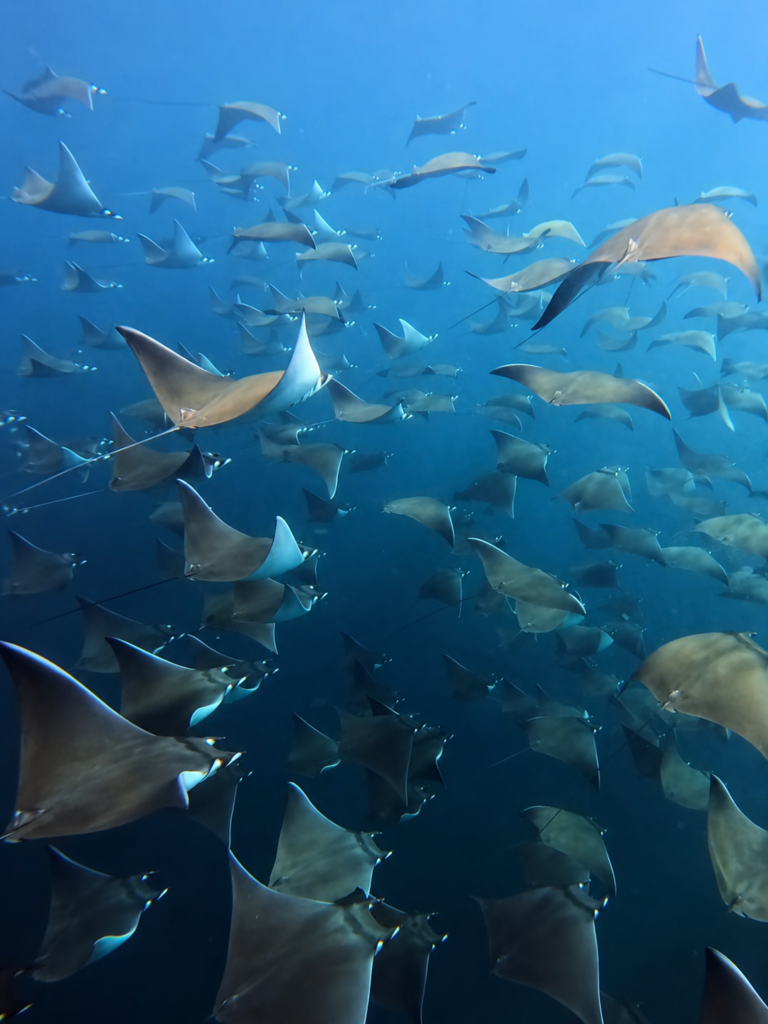
- 🦅 Eagle rays and mobula rays
- 🐬 Dolphins
- 🐠 Massive schools of tropical fish
- 🐙 Octopus
- 🦑 Moray eels
- 🌊 Healthy coral formations and volcanic reefs
What truly sets Coiba apart isn’t just the number of species.
It’s the density of marine life.
Even experienced divers are often surprised by how alive every dive site feels. Schools of fish move like living clouds, reef sharks patrol the deeper sections and turtles glide effortlessly through the crystal-clear water.
It’s one of those rare places where every descent feels like opening a new chapter of the same incredible story.
🌴 Clara’s Local Tip
If you’re planning to dive in Coiba, don’t schedule it for your very last day in Santa Catalina.
Many of our guests fall in love after their first dive and immediately want to book another one the following day.
Whenever possible, plan your diving trip early in your stay. That way, if the conditions are exceptional or you discover a new favorite dive site, you’ll still have time to go back.
At Nukumi Club, we always recommend planning at least two diving days and 2 weeks in advance if scuba diving is one of the main reasons for your trip. Trust us… one day is rarely enough.
Quick Summary
| Experience | Rating |
| 🤿 Scuba Diving | ⭐⭐⭐⭐⭐ |
| 🦈 Sharks | ⭐⭐⭐⭐⭐ |
| 🐢 Sea Turtles | ⭐⭐⭐⭐⭐ |
| 🐋 Seasonal Marine Life | ⭐⭐⭐⭐⭐ |
| 📸 Underwater Photography | ⭐⭐⭐⭐⭐ |
| 🌿 Conservation | ⭐⭐⭐⭐⭐ |
At a Glance
Best for: Certified divers looking for pristine reefs, abundant marine life and one of the world’s most rewarding underwater ecosystems.
Minimum certification: Most dive operators welcome Open Water divers, while some advanced sites require an Advanced Open Water certification or equivalent.
Panama Dive Center: Why We Recommend Diving With Them
Choosing the right dive center can completely change your experience in Coiba National Park.
While several operators offer scuba diving trips from Santa Catalina, Panama Dive Center has built an excellent reputation over the years for its professionalism, experienced instructors and commitment to marine conservation.
As a certified PADI Dive Center, they welcome everyone from newly certified Open Water divers to experienced divers looking for more challenging sites around Coiba National Park.
One of the reasons we confidently recommend them to our guests at Nukumi Club is their consistency. Their equipment is well maintained, their dive briefings are thorough, and their guides genuinely care about both your safety and the protection of the marine environment.
Whether you’re planning your very first dive in the Pacific or adding another incredible destination to your dive log, you’re in very good hands.
If you’re staying at Nukumi Club, we’re happy to help organize your dive days and make sure everything is perfectly coordinated before your departure.
The Best Dive Sites Around Coiba
Every dive site around Coiba tells a different story.
Some are famous for schools of fish that seem to stretch endlessly through the blue water. Others are known for encounters with reef sharks, eagle rays or giant schools of jacks.
The beauty of diving in Coiba is that no two dives are ever exactly the same.
Some of the most famous dive sites include:
🦈 Bajo Piñón
One of Coiba’s classic dive sites.
Known for its impressive schools of fish, white-tip reef sharks and occasional eagle rays, it’s suitable for a wide range of certified divers depending on the day’s conditions.
🌊 Faro
A spectacular site combining volcanic rock formations with healthy coral communities.
Divers often encounter turtles, moray eels, octopus and an incredible diversity of tropical fish.
The changing underwater landscape makes every dive unique.
🐠 Canal de Afuera
One of the most exciting sites for experienced divers.
Strong currents can attract larger pelagic species, making this an excellent place to encounter sharks and massive schools of fish.
Conditions vary significantly, so this site is generally reserved for divers with more experience.
🌿 Ranchería & Surrounding Reefs
Perfect for photographers and divers who enjoy slower dives.
The reefs here are full of macro life, colorful reef fish and beautiful coral formations.
It’s proof that you don’t always need large animals to have an unforgettable dive.
🌊 Marine Life
This is where Coiba truly becomes unforgettable.
The park protects one of the richest marine ecosystems in the Eastern Tropical Pacific, meaning every dive has the potential to surprise you.
Depending on the season, visibility and a little luck, you may encounter:
- 🦈 White-tip reef sharks
- 🦈 Bull sharks
- 🦈 Whale sharks (seasonal)
- 🐋 Humpback whales (July to October, usually seen from the boat)
- 🐢 Green sea turtles
- 🐢 Hawksbill turtles
- 🦅 Eagle rays
- 🦅 Mobula rays
- 🐬 Dolphins
- 🐠 Giant schools of jacks and snappers
- 🐡 Pufferfish
- 🐙 Octopus
- 🦑 Moray eels
- 🦞 Lobsters
- 🌊 Healthy hard and soft corals
One of the most incredible aspects of diving in Coiba isn’t spotting a single iconic species.
It’s the sheer abundance of life.
Even after hundreds of dives around the world, many experienced divers leave Coiba amazed by how vibrant and alive every reef feels.
🌴 Clara’s Local Tip
If you’re already traveling all the way to Santa Catalina for scuba diving, don’t settle for just one dive day.
Every dive site is different.
One day you might spend your entire dive surrounded by reef sharks, while the next day you’ll find yourself swimming through enormous schools of fish with turtles quietly passing by.
That’s why I always recommend booking at least two days of diving whenever possible.
And if the ocean gives you a magical day… you’ll be very happy you planned the extra time.
Quick Summary
| Experience | Rating |
| 🤿 Dive Quality | ⭐⭐⭐⭐⭐ |
| 🦈 Shark Encounters | ⭐⭐⭐⭐⭐ |
| 🐢 Sea Turtles | ⭐⭐⭐⭐⭐ |
| 🐠 Marine Biodiversity | ⭐⭐⭐⭐⭐ |
| 📸 Underwater Photography | ⭐⭐⭐⭐⭐ |
| 🌿 Reef Conservation | ⭐⭐⭐⭐⭐ |
At a Glance
Best for: Certified divers looking for world-class marine biodiversity, healthy reefs and unforgettable wildlife encounters.
Minimum recommendation: We recommend being Open Water certified, although some of Coiba’s most spectacular dive sites are best enjoyed by Advanced Open Water divers due to currents and depth.
🌴 Looking for the Perfect Place to Stay?
If scuba diving is the highlight of your trip, staying somewhere peaceful makes all the difference after a full day underwater.
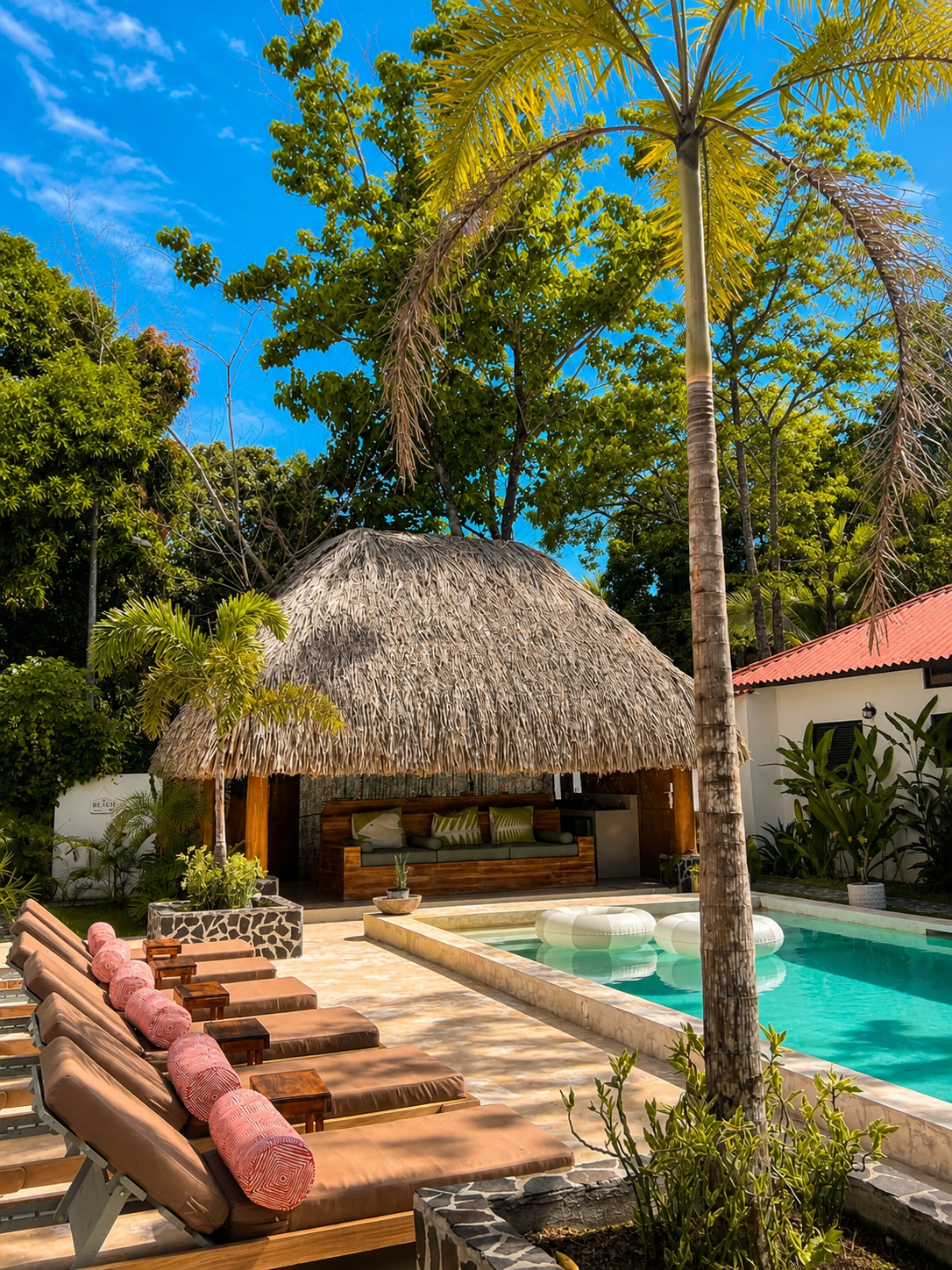
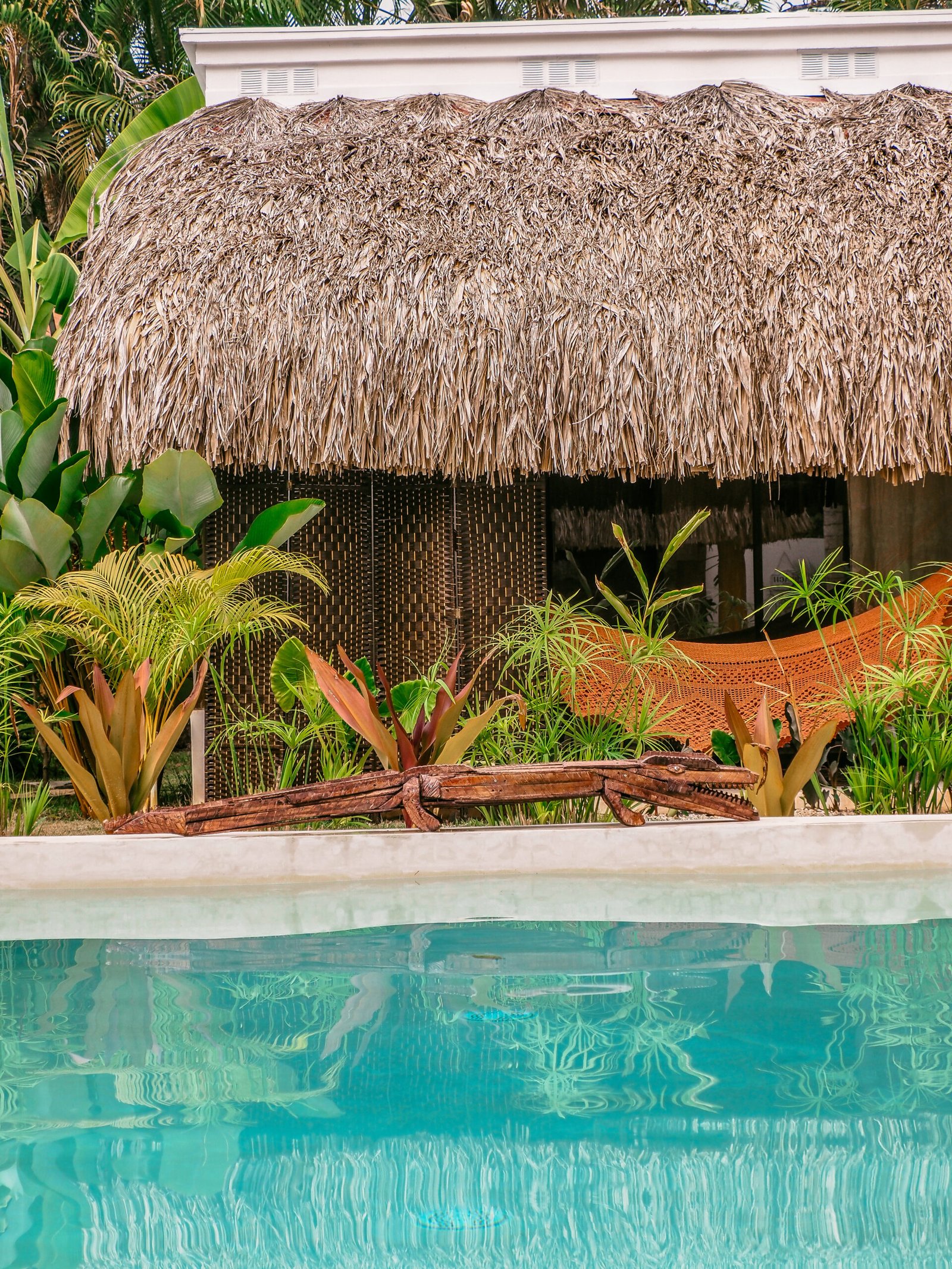
Located just a short walk from the dive departure point, Nukumi Club is one of the few adults-only boutique hotels in Santa Catalina. After a day exploring Coiba’s extraordinary underwater world, you can return to a quiet pool, relax in your private casita and wake up refreshed for your next dive.
Many of our guests arrive because of Coiba.
They return because they discovered Santa Catalina… and found a place that truly felt like home. 🌊🤿🌴
Who Can Dive in Coiba?
One of the questions we hear most often at Nukumi Club is:
“Do I need to be an experienced diver to dive in Coiba?”
The answer is… not necessarily.
Whether you’ve just earned your Open Water certification or you’ve completed hundreds of dives around the world, Coiba has dive sites suited to almost every experience level.
Several reefs around the National Park are calm, shallow and ideal for certified beginners, while other sites offer stronger currents, deeper walls and more challenging conditions for advanced divers.
Your dive center will always choose the most appropriate sites according to your certification level, experience and the ocean conditions on the day of your trip.
The goal isn’t to dive the deepest site.
The goal is to enjoy the safest and most memorable experience possible.
Open Water vs. Advanced Open Water
If you’re an Open Water Diver, don’t worry.
You’ll still have access to some incredible dive sites around Coiba and experience an extraordinary amount of marine life.
However, if you already hold an Advanced Open Water certification, additional opportunities become available.
Some of Coiba’s deeper sites and stronger drift dives are reserved for more experienced divers, offering even greater chances of encountering large pelagic species such as reef sharks, eagle rays and massive schools of fish.
If you don’t yet have your Advanced certification, don’t see it as a limitation.
Many divers leave Coiba inspired to continue their training after experiencing just how incredible the underwater world can be.
Best Time of the Year for Scuba Diving
One of the greatest advantages of diving in Santa Catalina is that there is no bad season.
Every month offers something different.
☀️ Dry Season (Late December to April)
The dry season generally brings calmer seas and excellent visibility.
It’s the busiest period of the year, so we recommend booking your dives well in advance.
🌿 Green Season (May to November)
This is our personal favorite.
Although tropical showers are more common, they often happen in the late afternoon or during the night, leaving plenty of time for diving.
The nutrient-rich waters attract even more marine life, and between July and October, humpback whales migrate through the area.
Every boat trip becomes an opportunity for unforgettable wildlife encounters.
Can You See Whale Sharks?
Maybe.
And that’s part of the magic.
Whale sharks occasionally pass through Coiba’s waters, but sightings are entirely seasonal and never guaranteed.
Unlike destinations that advertise daily encounters, Coiba remains completely wild.
Every dive is unpredictable.
And that’s exactly what makes each experience so special.
How Many Dive Days Do We Recommend?
If scuba diving is one of the main reasons you’re visiting Santa Catalina…
Book at least two days.
Seriously.
The weather changes.
The currents change.
The wildlife changes.
Every dive site tells a different story.
Many guests at Nukumi Club originally plan a single diving day before immediately asking us to arrange another one.
It’s one of the most common things we hear.
🌴 Clara’s Local Tip
If your schedule allows, don’t plan your dives on your last day in Santa Catalina.
Give yourself a little flexibility.
Some mornings the visibility is exceptional.
Some afternoons dolphins decide to follow the boat back to the village.
Nature doesn’t work on a schedule.
The more time you give yourself, the more likely you’ll experience one of those unforgettable moments that stay with you long after your trip has ended.
Things to Know
- 🤿 Open Water certification is enough for many dive sites.
- 🌊 Advanced certification opens access to more technical dives.
- 📅 Book at least one to two weeks in advance during high season.
- 💊 If you’re prone to seasickness, take medication before boarding.
- 🚤 Boat rides take around one hour.
- ☀️ Bring a towel, sunglasses, reef-safe sunscreen and plenty of water.
- 🪪 Don’t forget your certification card.
Quick Summary
| Experience | Rating |
| 👶 Beginner Friendly | ⭐⭐⭐⭐☆ |
| 🤿 Advanced Divers | ⭐⭐⭐⭐⭐ |
| 🐋 Seasonal Wildlife | ⭐⭐⭐⭐⭐ |
| 🌊 Visibility | ⭐⭐⭐⭐☆ |
| 🦈 Big Marine Life | ⭐⭐⭐⭐⭐ |
| ⭐ Overall Experience | ⭐⭐⭐⭐⭐ |
🌴 Looking for the Perfect Place to Stay?
A day of diving in Coiba usually starts early and ends with tired legs, salty hair and a huge smile.
That’s why choosing the right accommodation matters.
After spending the day exploring one of the world’s richest marine ecosystems, Nukumi Club offers the perfect place to slow down. Enjoy a peaceful adults-only atmosphere, relax by the pool, rinse off under your private outdoor shower and recharge before your next adventure.
For many divers, the days spent underwater are unforgettable.
The evenings spent at Nukumi Club are what complete the experience.