Introduction
When people think about Santa Catalina, they often picture world-class surf or unforgettable diving in Coiba National Park. But what many travelers don’t realize before arriving is just how diverse the beaches are.
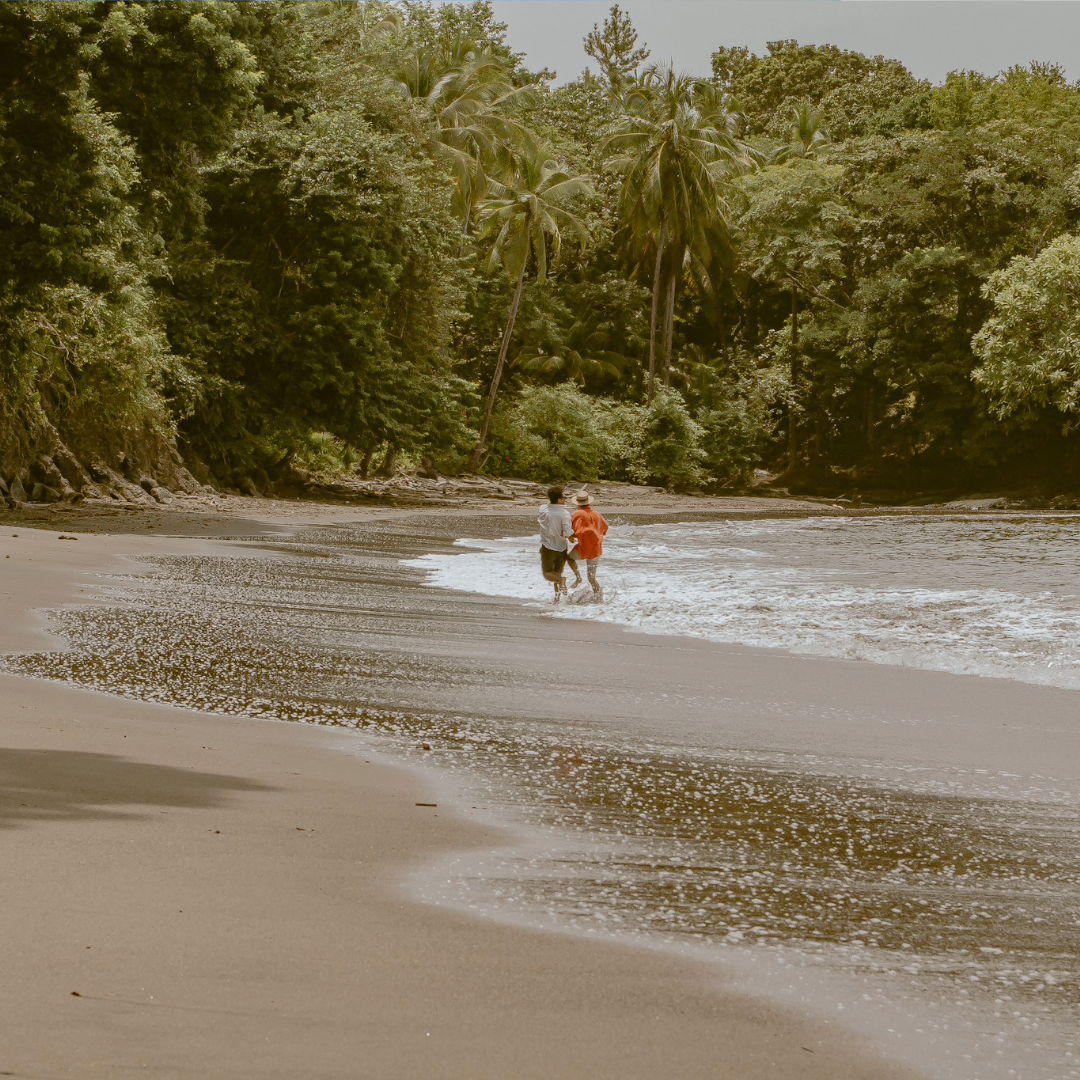
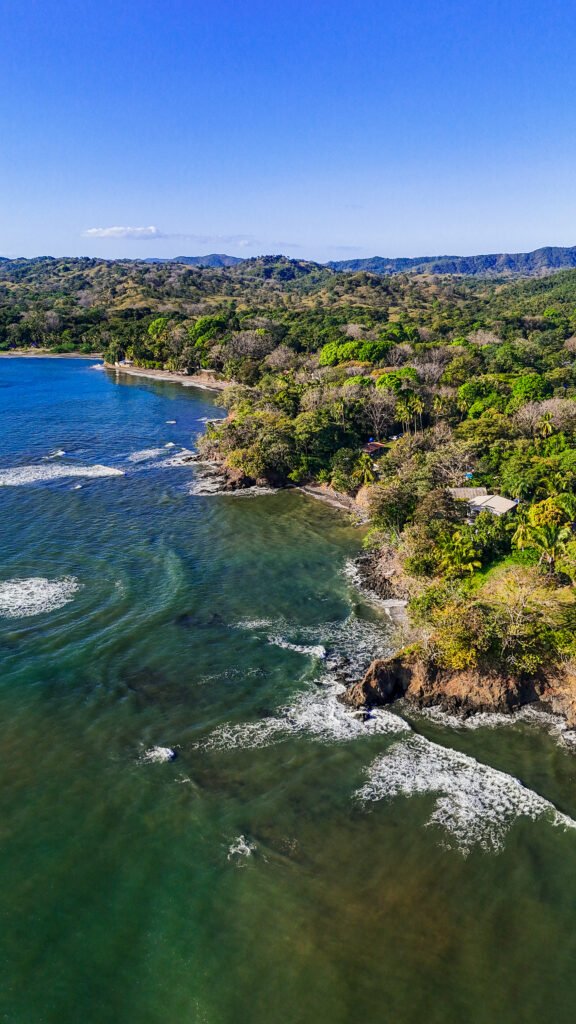
Within just a few kilometers, you’ll find everything from long golden beaches perfect for learning how to surf, to quiet coves where you might have the sand entirely to yourself. Some beaches are ideal for swimming at high tide, others are better explored by kayak, while a few are only accessible by boat and feel completely untouched.
Each beach has its own personality.
Some are lively in the morning as fishermen prepare for another day at sea. Others come alive at sunset, when surfers watch the last waves roll in and the sky turns shades of orange and pink. And then there are places like Coiba and Cébaco Islands, where nature still feels almost exactly as it did hundreds of years ago.
Living in Santa Catalina has taught us that there isn’t one “best” beach. It simply depends on what kind of day you’re looking for.
Whether you’re traveling as a couple, with friends, solo or with family, this guide will help you choose the perfect beach for every moment of your stay.
Santa Catalina Town Beach
The heart of the village.
Santa Catalina Town Beach is the first beach most visitors discover, and while it may not be the most spectacular, it plays an important role in the daily life of the community.
Every morning, colorful fishing boats and Coiba tour operators prepare for another day on the water. By 8:00 a.m., the beach is full of activity as divers, snorkelers and fishermen head toward Coiba National Park. In the afternoon, the same boats slowly return, bringing fresh fish and stories from the ocean.
Although this isn’t the beach we recommend for surfing, it’s a lovely place to experience the authentic atmosphere of Santa Catalina. Grab a coffee from a nearby café, watch the boats come and go, or simply sit under a palm tree and enjoy the slower rhythm of village life.
Swimming is possible, especially around high tide, when the water becomes calmer and covers much of the rocky shoreline. As with every Pacific beach, always pay attention to the tides and avoid swimming too far from shore if you’re unfamiliar with local conditions.
If you’re looking for the best surfing beaches, you’ll want to head to Playa Estero or La Punta, which we’ll cover later in this guide.
Best for
- Watching local life unfold
- Swimming during high tide
- Boat departures to Coiba National Park
- Photography
- Sunrise walks
- Fresh seafood nearby
Things to Know
- 🚤 This is the main departure point for Coiba tours.
- 🏄 Surfing is not recommended here due to regular boat traffic.
- 🌊 High tide is generally the best time to swim.
- 🚶 Most restaurants, cafés and shops are within a short walking distance.
🌴 Clara’s Local Tip
If you’re awake early, grab a coffee around 7:00 a.m. and walk down to Town Beach before the boats leave for Coiba.
It’s one of the most authentic moments of the day. Fishermen are preparing their gear, guides are welcoming excited travelers, pelicans circle above the water, and the village slowly comes to life. It’s a simple scene, but one that perfectly captures the spirit of Santa Catalina.
If you’re staying at Nukumi Club, the beach is just a short walk away, making it easy to enjoy this peaceful morning ritual before heading back for breakfast or setting off on your own adventure.
Quick Summary
| Experience | Rating |
| 🏊 Swimming | ⭐⭐⭐☆☆ |
| 🏄 Surfing | ⭐☆☆☆☆ |
| 👨👩👧👦 Families | ⭐⭐⭐⭐⭐ |
| 📸 Photography | ⭐⭐⭐⭐⭐ |
| 🚤 Boat Tours to Coiba | ⭐⭐⭐⭐⭐ |
| 🌅 Sunset Walks | ⭐⭐⭐⭐⭐ |
Playa Estero
If there’s one beach that captures the spirit of Santa Catalina, it’s Playa Estero.
Stretching for nearly two kilometers along the Pacific Ocean, Playa Estero offers something for almost every traveler. Early in the morning, you’ll find surfers checking the waves while runners and dog walkers enjoy the cooler temperatures. By midday, families relax under the shade of palm trees, and in the afternoon, beginners take their very first surf lesson in the gentle whitewater.
Unlike many surf beaches around the world, Playa Estero never feels crowded. Even during the high season, there’s enough space to find your own quiet corner, lay down a towel and simply listen to the sound of the waves.
The beach is also one of the best places in Santa Catalina to watch the sunset. As the tide rises, the wet sand reflects the sky like a giant mirror, creating one of the most photogenic landscapes in the region.
Surfing at Playa Estero
Playa Estero is widely considered the best beach in Santa Catalina for learning how to surf.
Thanks to its sandy bottom and long, forgiving waves, it’s perfect for first-timers and intermediate surfers. During larger swells, however, the beach also offers fun and powerful waves that attract more experienced surfers.
Most local surf schools operate here, making it easy to book a private or group lesson, rent a board or simply ask about the conditions before heading into the water.
If you’re completely new to surfing, this is where you should start.
Swimming
Although Playa Estero is one of the safest beaches in Santa Catalina, it’s still part of the Pacific Ocean.
Rip currents can occasionally form, especially during larger swells and changing tides. We always recommend swimming where you can comfortably stand, avoiding isolated areas, and asking a local if you’re unsure about the conditions.
For families with children, high tide usually provides the most enjoyable swimming experience, as the water comes closer to the shoreline and creates calmer areas for relaxing.
Best Time to Visit
Every moment of the day offers a different experience.
- Sunrise: Quiet walks and soft morning light.
- Morning: Surf lessons and fewer people.
- Afternoon: Swimming, beach time and local families.
- Sunset: One of the most beautiful golden hours in Santa Catalina.
If you only have time to visit once, plan your afternoon so you can stay until sunset. You won’t regret it.
🌴 Clara’s Local Tip
One of my favorite afternoons in Santa Catalina is incredibly simple.
Grab a fresh coconut or an iced coffee, spend an hour watching beginner surfers catching their very first waves, then stay for sunset without looking at your phone.
There’s something incredibly peaceful about Playa Estero. It’s not just a surf beach, it’s a place where people naturally slow down.
If you’re staying at Nukumi Club, Playa Estero is only about a 15-minute walk away, making it easy to visit every day without needing a car. Many of our guests end up walking there almost every evening just to watch the sunset.
Things to Know
- 🏄 Best beach for beginner surf lessons.
- 🌊 Suitable for intermediate and advanced surfers when the swell increases.
- 👨👩👧👦 Excellent beach for families.
- 📸 Incredible sunsets all year round.
- 🚿 Public showers available.
- 🥥 Bring water and sunscreen if you’re planning to stay for several hours.
Quick Summary
| Experience | Rating |
| 🏊 Swimming | ⭐⭐⭐⭐☆ |
| 🏄 Surfing | ⭐⭐⭐⭐⭐ |
| 👨👩👧👦 Families | ⭐⭐⭐⭐⭐ |
| 📸 Photography | ⭐⭐⭐⭐⭐ |
| 🌅 Sunsets | ⭐⭐⭐⭐⭐ |
| 🚶 Beach Walks | ⭐⭐⭐⭐⭐ |
At a Glance
Best for: Surfing, families, sunsets, beach walks and anyone looking to experience the true atmosphere of Santa Catalina.
Not recommended for: Swimming far offshore during large swells or without checking local conditions first.
🌴 Looking for the Perfect Place to Stay?
If you’d love to stay within walking distance of Playa Estero while also discovering one of Santa Catalina’s most peaceful and little-known beaches, Nukumi Club offers the perfect balance.
Located in a quiet corner of the village, just a short walk from Playa Estero, Nukumi Club is also only a few minutes from a hidden beach that remains unknown to most visitors. It’s one of our favorite places to watch the sunset, away from the crowds, where the Pacific Ocean often puts on an unforgettable show of colors.
Whether you’re coming to surf, explore Coiba National Park or simply slow down for a few days, staying somewhere central yet peaceful makes all the difference.
👉 Read our complete guide: Where to Stay in Santa Catalina to discover why so many travelers choose Nukumi Club as their home away from home.
Santa Catalina Island (La Islita)
Just a few hundred meters off the coast lies one of Santa Catalina’s best-kept secrets.
Known locally as La Islita, Santa Catalina Island is a small tropical island that quietly overlooks the village. While most visitors head straight to Coiba National Park, very few take the time to discover this peaceful island, making it one of the area’s most rewarding hidden gems.
On calm days, you can easily reach the island by kayak or paddleboard in around 20 to 30 minutes, depending on the tides. The journey itself is part of the experience, offering spectacular views of Santa Catalina’s coastline before arriving on an island that feels wonderfully untouched.
There are no restaurants, no hotels and no facilities waiting for you here. Just volcanic rocks, tropical vegetation, crystal-clear water and the peaceful sound of the Pacific Ocean. It’s the perfect place to disconnect for a few hours and experience a quieter side of Santa Catalina.
Snorkeling Around Santa Catalina Island
Although the snorkeling here isn’t as spectacular as in Coiba National Park, it’s still a lovely place to explore the underwater world on a calm morning.
Around the rocky coastline, you may spot colorful tropical fish, sea stars and, if you’re lucky, even an eagle ray gliding gracefully beneath your kayak. The experience is simple, peaceful and ideal for travelers looking for a half-day adventure without joining a full-day tour.
If your goal is to see vibrant coral reefs and larger marine life, we recommend saving that experience for Coiba. But if you’re looking for a relaxing paddle combined with light snorkeling, Santa Catalina Island is hard to beat.
Best Time to Visit
The best conditions are usually found during high tide and on calm, sunny mornings.
We recommend setting off early, when the ocean is generally smoother and temperatures are still comfortable. Not only is the kayaking easier, but you’ll also have the island almost entirely to yourself.
Although a few adventurous travelers occasionally camp on Santa Catalina Island, we don’t recommend it. The tides can rise surprisingly high, some parts of the shoreline become inaccessible, and it’s easy to find yourself trapped until the water drops again.
If you’re renting a kayak, we always suggest planning your return between 3:00 p.m. and 4:00 p.m. Local fishermen and boat captains follow the same advice, and most will tell you not to remain on the island after 5:00 or 6:00 p.m., when conditions can become less predictable and daylight disappears quickly.
A little planning will allow you to enjoy the island safely while making the most of your day.
🌴 Clara’s Local Tip
If you only have half a day free and don’t want to book a full-day trip to Coiba National Park, this is one of my favorite recommendations.
Rent a kayak in the morning, paddle across to Santa Catalina Island, spend an hour snorkeling, exploring the rocky coastline or simply relaxing by the water, then head back during the afternoon while the conditions are still ideal.
It’s peaceful, affordable and gives you the feeling of discovering a hidden corner of Santa Catalina that many travelers completely miss.
If you’re staying at Nukumi Club, we’ll happily recommend trusted kayak rental companies, help you check the tides and suggest the best departure time for a safe and enjoyable experience.
Things to Know
- 🛶 Reachable by kayak or paddleboard in around 20 to 30 minutes.
- 🌊 Best visited during high tide and calm weather.
- 🤿 Light snorkeling opportunities around the rocky shoreline.
- 🥤 Bring drinking water, reef-safe sunscreen and a dry bag.
- 🚯 Leave no trace and take all your rubbish back with you.
- ⚠️ There are no restaurants, cafés, toilets or facilities on the island.
- ⏰ We recommend returning by 3:00–4:00 p.m. if you’re kayaking.
- 🚤 Local boat captains also advise visitors not to stay on the island after 5:00–6:00 p.m. due to tides, changing sea conditions and the lack of daylight.
Quick Summary
| Experience | Rating |
| 🏊 Swimming | ⭐⭐⭐⭐⭐ |
| 🤿 Snorkeling | ⭐⭐☆☆☆ |
| 🛶 Kayaking | ⭐⭐⭐⭐⭐ |
| 📸 Photography | ⭐⭐⭐⭐⭐ |
| 🌅 Sunset Views | ⭐☆☆☆☆ |
| 🌿 Nature | ⭐⭐⭐⭐⭐ |
At a Glance
Best for: Kayaking, swimming, photography, peaceful mornings and travelers looking to escape the crowds.
Not recommended for: Staying until sunset, camping or expecting facilities. Santa Catalina Island is best enjoyed as a half-day adventure before returning to the village.
🌴 Looking for the Perfect Place to Stay?
If exploring hidden places is your idea of the perfect vacation, staying somewhere central makes all the difference.
Located just a short walk from the kayak departure point, Nukumi Club is the perfect base for discovering Santa Catalina Island, Playa Estero and Coiba National Park, while enjoying the peace of an adults-only boutique hotel.
Even better, just a few minutes from Nukumi Club you’ll find one of Santa Catalina’s least-known beaches, a peaceful little stretch of coastline where locals often gather to watch what many of us believe are the most beautiful sunsets in Santa Catalina.
Many of our guests discover it by chance… and almost always come back the following evening.
La Coquita
If you’re looking for a beach that feels completely untouched, La Coquita is one of Santa Catalina’s best-kept secrets.
Hidden just beyond Playa Estero, this quiet little beach is reached by walking to the very end of Estero Beach before crossing a stretch of large, flat volcanic rocks. Don’t worry, the crossing isn’t difficult. In fact, local horseback riding tours regularly pass over these rocks on their way to La Coquita.
Once you arrive, the atmosphere changes completely.
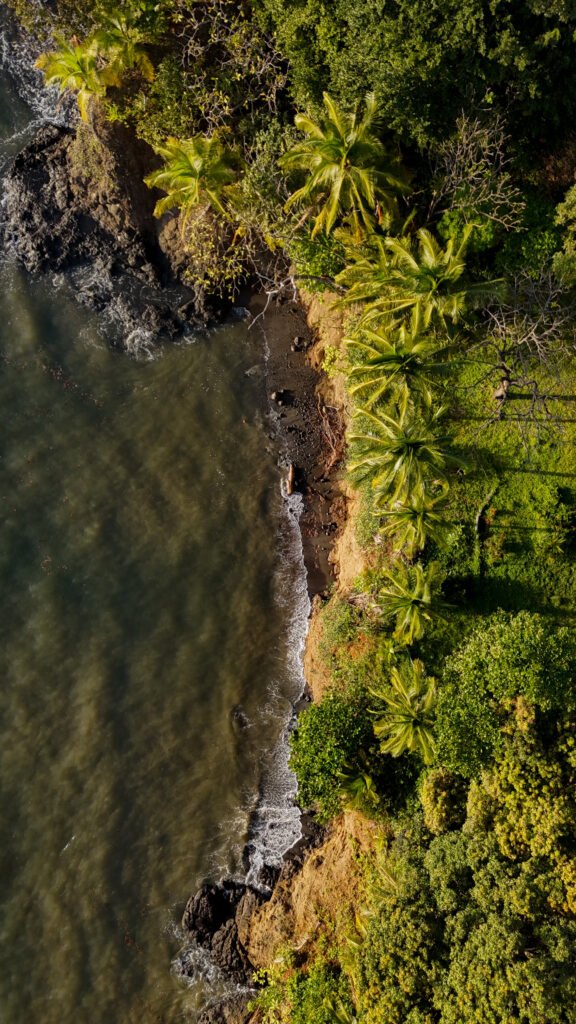
There are no restaurants, no surf schools and usually no one else around. Just the sound of the Pacific Ocean, dramatic volcanic cliffs and a beautiful stretch of sand where you can truly disconnect from the world.
It feels wonderfully wild.
Swimming at La Coquita
Swimming is possible and the water is often inviting, but always stay where you can comfortably touch the bottomand pay close attention to the ocean conditions.
More importantly, check the tides before you go.
As the tide rises, the rocky passage connecting La Coquita to Playa Estero can become partially covered by water. While it’s rarely dangerous, it may become difficult or impossible to cross comfortably until the tide drops again.
Planning your visit around the tides is the best way to enjoy La Coquita without any surprises.
Photography
La Coquita is one of the most photogenic places around Santa Catalina.
The contrast between the black volcanic rocks, lush tropical vegetation and the deep blue Pacific creates spectacular scenery throughout the day. Because very few visitors make the short walk beyond Playa Estero, you’ll often have the beach entirely to yourself.
It’s one of those rare places where nature still feels untouched.
Best Time to Visit
The best time to visit is during mid or low tide, when crossing the rocks is easy and you have plenty of time to explore.
Morning and late afternoon offer the most pleasant temperatures and beautiful natural light for photography.
Before leaving, we always recommend checking the local tide schedule to make sure you have enough time to return comfortably to Playa Estero.
🌴 Clara’s Local Tip
La Coquita is one of those places that most visitors never discover.
Whenever I want to escape for an hour with no crowds, no music and no distractions, this is where I go.
Take a towel, some water and simply enjoy the silence.
Just don’t forget to check the tides before you leave. It’s the one thing locals always do, and it can make the difference between a relaxing afternoon and a longer adventure than you planned!
If you’re staying at Nukumi Club, we’ll gladly tell you the best time to visit according to the tides and the day’s conditions.
Things to Know
- 🌴 Located just beyond Playa Estero.
- 🪨 Accessible by crossing large, flat volcanic rocks.
- 🐎 Local horseback riding tours also cross this section.
- 🌊 Always check the tides before visiting.
- 🏊 Swim only where you can comfortably stand.
- 📸 One of Santa Catalina’s most peaceful photography spots.
- 🥤 Bring water, as there are no facilities.
- 🚯 Please leave the beach exactly as you found it.
Coiba Island
Some places are beautiful.
Others leave you speechless.
Coiba Island belongs to the second category.
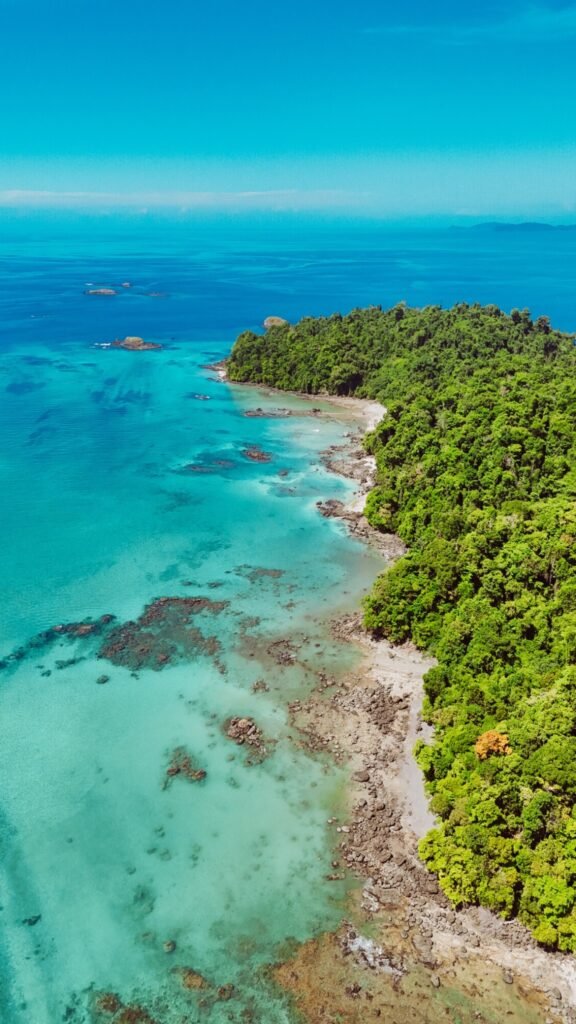
Located around one hour by boat from Santa Catalina, Coiba is the largest island in Central America and the heart of Coiba National Park, a UNESCO World Heritage Site recognized for its extraordinary biodiversity.
Unlike many tropical islands that have been transformed by tourism, Coiba remains almost entirely untouched. There are no beach clubs, no hotels and no roads crossing the island. Instead, you’ll discover white-sand beaches, crystal-clear water, tropical rainforest and one of the richest marine ecosystems in the world.
For many travelers, visiting Coiba becomes the highlight of their entire trip to Panama.
A Unique History
Coiba wasn’t always a paradise open to visitors.
For most of the 20th century, the island served as one of Panama’s most isolated penal colonies. Because access was extremely restricted for decades, nature was left almost completely undisturbed.
When the prison finally closed, scientists realized that Coiba had become one of the most important conservation areas in the Eastern Tropical Pacific.
Today, the island and its surrounding waters are protected as Coiba National Park, preserving hundreds of species of fish, birds, mammals and marine life found nowhere else in Panama.
It’s one of the reasons why diving and snorkeling here are considered among the best experiences in Central America.
What Does a Typical Coiba Tour Look Like?
Most tours leave Santa Catalina between 7:30 and 8:00 a.m.
The journey to the national park takes approximately one hour by boat, depending on sea conditions.
Although every operator has its own itinerary, most tours include:
- 🏝️ A stop on one of Coiba’s beautiful beaches.
- 🤿 One or two snorkeling sessions.
- 🐒 Wildlife spotting.
- 🍉 Lunch on the beach.
- 🚤 Boat transportation.
- 🎒 Snorkeling equipment.
One important thing to know is that the National Park entrance fee is not included in the tour price.
This fee is collected on behalf of the Panamanian government to support the protection of the park.
Current entrance fees are generally:
- USD 22 for international visitors.
- USD 5 for Panamanian residents and foreigners holding a valid Panamanian cédula.
Always confirm the current price with your tour operator before booking.
Wildlife You May Encounter
One of the reasons Coiba is so special is that every trip is different.
Depending on the season and sea conditions, you may encounter:
- 🐢 Sea turtles.
- 🐬 Dolphins.
- 🐋 Humpback whales (July to October).
- 🦈 Whale sharks (seasonal and never guaranteed).
- 🦈 Reef sharks.
- 🦅 Frigate birds and pelicans.
- 🐠 Huge schools of tropical fish.
- 🦀 Crabs and other coastal wildlife.
Nature follows its own rhythm, which makes every visit unique.
🌴 Clara’s Local Tip
If Coiba is on your bucket list, don’t rush it.
Choose a tour operator with a good reputation rather than simply the cheapest price. A knowledgeable guide, a comfortable boat and small groups can completely change the experience.
At Nukumi Club, we’re always happy to recommend trusted local operators that we’ve worked with for years. They know the park well, respect the environment and consistently provide an excellent experience for our guests.
Things to Know
- 🚤 Boat ride: approximately 1 hour each way.
- ☀️ Bring reef-safe sunscreen, sunglasses and a hat.
- 💧 Carry a reusable water bottle.
- 📷 A waterproof phone pouch or action camera is highly recommended.
- 🦟 Bring insect repellent for the island.
- 🌊 Tours depend on weather and ocean conditions.
- 📅 During the high season, booking several days in advance is recommended.
Quick Summary
| Experience | Rating |
| 🏊 Swimming | ⭐⭐⭐⭐⭐ |
| 🤿 Snorkeling | ⭐⭐⭐⭐⭐ |
| 🥽 Scuba Diving | ⭐⭐⭐⭐⭐ |
| 🐋 Wildlife | ⭐⭐⭐⭐⭐ |
| 📸 Photography | ⭐⭐⭐⭐⭐ |
| 🏝️ Paradise Beaches | ⭐⭐⭐⭐⭐ |
At a Glance
Best for: Nature lovers, photographers, snorkelers, divers and anyone looking for one of Panama’s most unforgettable experiences.
Not recommended for: Travelers expecting luxury facilities or beach clubs. Coiba is all about wild nature, conservation and adventure.
🌴 Looking for the Perfect Place to Stay?
If visiting Coiba National Park is one of the main reasons you’re coming to Santa Catalina, staying close to the boat departure point makes your day much easier.
Located just a short walk from the main departure beach, Nukumi Club is an ideal base for exploring Coiba. After a full day at sea, there’s nothing better than returning to a peaceful adults-only boutique hotel, relaxing by the pool and watching the evening settle over Santa Catalina before planning your next adventure.
🌿 Respecting Coiba National Park
Visiting Coiba National Park is a privilege.
This UNESCO World Heritage Site is one of the last truly untouched marine ecosystems in the Eastern Tropical Pacific. Every visitor plays an important role in protecting it for future generations.
Here are a few simple ways to help preserve this incredible place.
🐢 Give Wildlife Space
Seeing sea turtles, dolphins, sharks or tropical fish in their natural habitat is unforgettable.
Please enjoy these moments from a respectful distance.
Never touch, chase or try to feed marine animals. As a general rule, stay at least 1.5 to 2 meters (5 to 6 feet) away and allow wildlife to behave naturally without feeling disturbed.
The best encounters are always the ones where the animals choose to come closer to you.
🤫 Let Nature Be Quiet
One of the most magical things about Coiba is its silence.
Avoid shouting on the beaches or in the water. Loud noises can disturb both wildlife and other visitors who have come to experience the park’s peaceful atmosphere.
When snorkeling, move slowly, breathe calmly and simply observe.
Nature always rewards patience.
🌊 Protect the Coral Reefs
Coral reefs are living organisms that have taken hundreds of years to grow.
Never stand on coral, kick it with your fins or touch it with your hands.
If you don’t have reef-safe zinc sunscreen, we recommend wearing a long-sleeved rash guard instead. Most tour operators provide one free of charge or have them available to rent.
It’s one of the easiest ways to protect both your skin and the marine ecosystem.
🚯 Leave No Trace
Everything you bring into Coiba should leave with you.
Take all your rubbish back to the boat, even small items such as bottle caps, fruit stickers or cigarette butts.
If you happen to find litter left behind by someone else, picking it up is one of the nicest gifts you can give the island.
❤️ Remember…
We are visitors.
The turtles, monkeys, dolphins, sharks, birds and coral reefs were here long before us.
Respecting their home is the best way to ensure that future generations will be able to experience the same magic that makes Coiba so extraordinary.
🌴 Clara’s Local Thought
One of the reasons I love Coiba so much is that it still feels wild.
Every time I visit, I remind myself that this isn’t a theme park or an aquarium. It’s a living ecosystem where we’re simply lucky enough to be invited for a few hours.
If every visitor leaves with beautiful memories instead of leaving a trace behind, Coiba will remain just as breathtaking for many years to come.