Introduction
Some places impress you the moment you arrive. Others slowly become your favorite memory long after you’ve left.
Santa Catalina is one of those places.
What was once a tiny fishing village on Panama’s Pacific coast has quietly become one of the country’s most rewarding destinations. Surfers first discovered its legendary wave decades ago, followed by divers exploring the incredible marine life of Coiba National Park, a UNESCO World Heritage Site just offshore. Yet despite its growing reputation, Santa Catalina has managed to preserve something increasingly rare: authenticity.
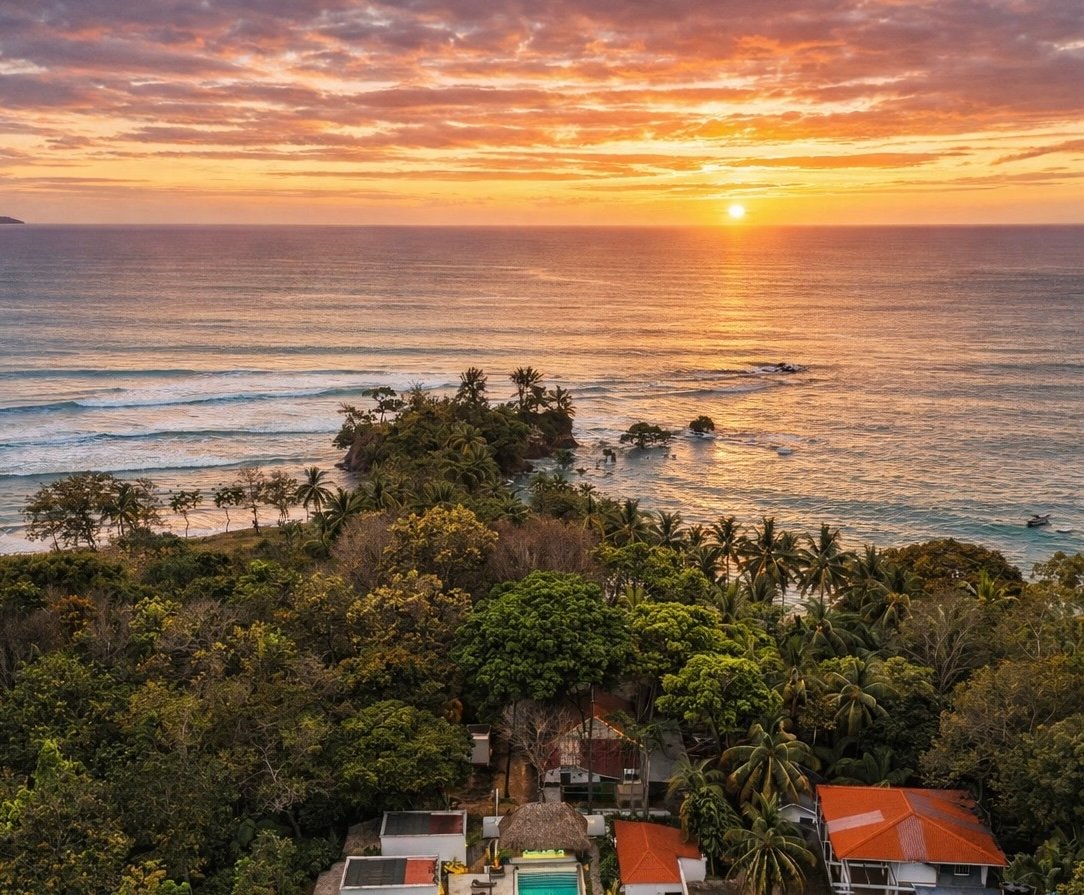
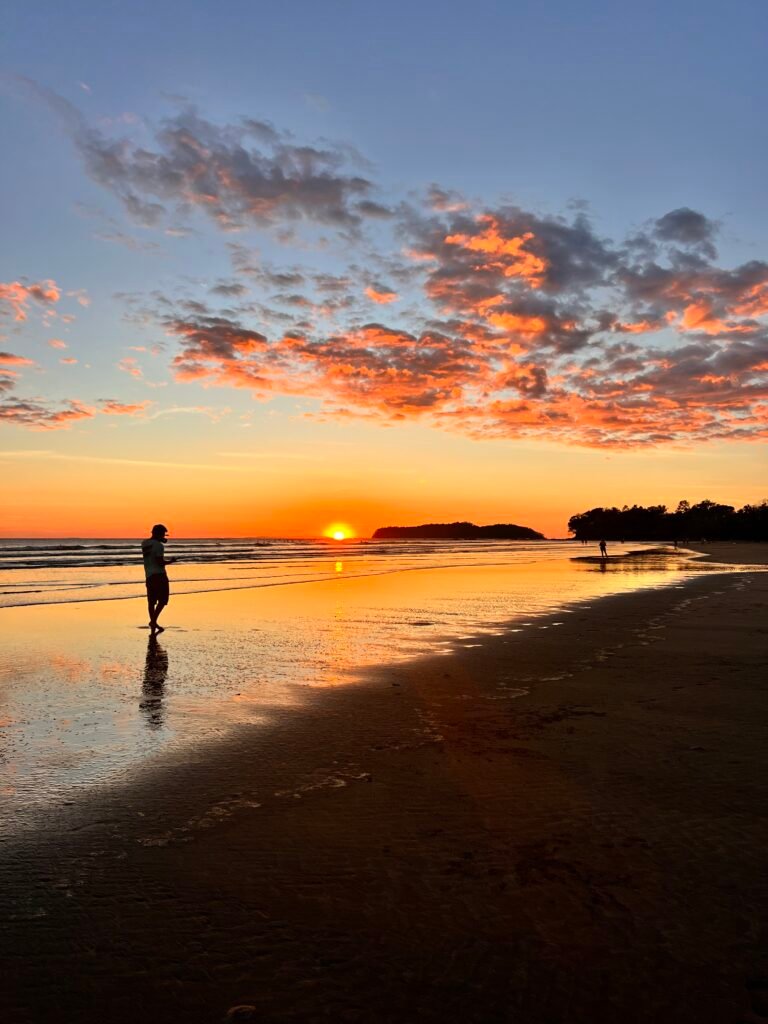
Life moves differently here. Mornings begin with fishing boats heading toward Coiba, afternoons are shaped by the tides, and sunsets often turn into spontaneous gatherings with travelers and locals sharing stories by the ocean. There’s no rush, no big resorts, and no crowded beaches. Just nature, adventure, great food and a community that welcomes visitors with genuine warmth.
Whether you’re planning to surf world-class waves, snorkel with sea turtles, dive one of the richest marine ecosystems on Earth or simply spend a few days slowing down, Santa Catalina offers an experience that’s difficult to find elsewhere in Central America.
After welcoming hundreds of travelers over the years at Nukumi Club, we’ve learned that almost everyone arrives thinking they’ll stay two nights… and leaves wishing they had booked four.
This guide brings together everything we believe every traveler should know before visiting Santa Catalina, from hidden beaches and local restaurants to transportation tips, Coiba tours and the little details that make all the difference.
Welcome to our favorite corner of Panama.
Where Is Santa Catalina?
Santa Catalina is located in the Province of Veraguas, on Panama’s Pacific coast, approximately six hours by car from Panama City. While the journey may seem long on a map, it’s surprisingly straightforward and rewards travelers with one of the most beautiful coastlines in the country.
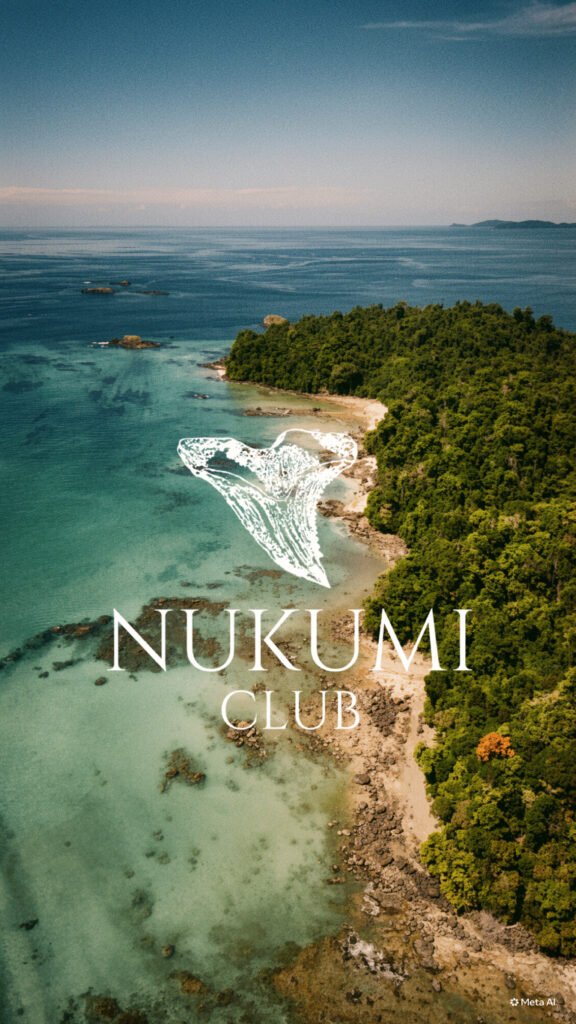
The village is best known as the gateway to Coiba National Park, a protected UNESCO World Heritage Site famous for its extraordinary biodiversity, crystal-clear waters and world-class diving. Every morning, dozens of boats leave Santa Catalina carrying snorkelers, divers and nature lovers toward this spectacular marine reserve.
Unlike many beach destinations, Santa Catalina has remained refreshingly authentic. There are no high-rise hotels or crowded promenades. Instead, you’ll find a walkable village where beaches, cafés, surf shops and restaurants are all within a few minutes of each other, making it easy to explore without a car once you’ve arrived.
Its central location also makes it the perfect base for discovering Playa Estero, Santa Catalina Island, La Coquita, Cébaco Island, and of course Coiba National Park, all of which we’ll explore throughout this guide.
Want to explore the coastline in more detail? Read our guide to the best beaches in Santa Catalina to discover where to swim, surf, relax and escape the crowds.
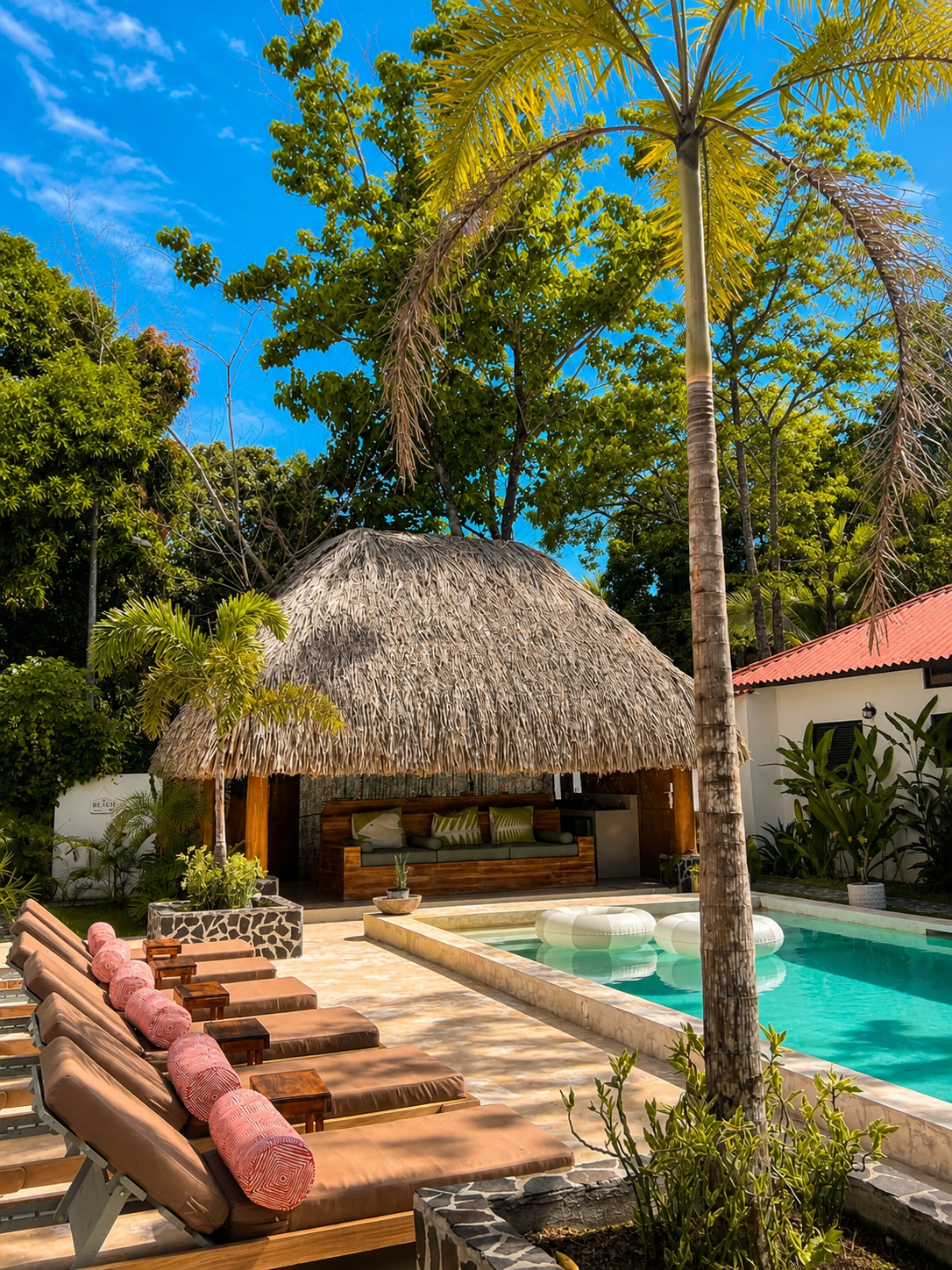
If you’re looking for a peaceful place to stay while remaining within walking distance of restaurants, beaches and Coiba departures, Nukumi Club is one of the few adults-only boutique hotels in Santa Catalina. Its quiet location allows you to enjoy the best of the village while escaping the small amount of activity around the main street.
💡 Local Tip
One of the biggest mistakes visitors make is treating Santa Catalina as a one-night stop before heading to another destination.
Don’t.
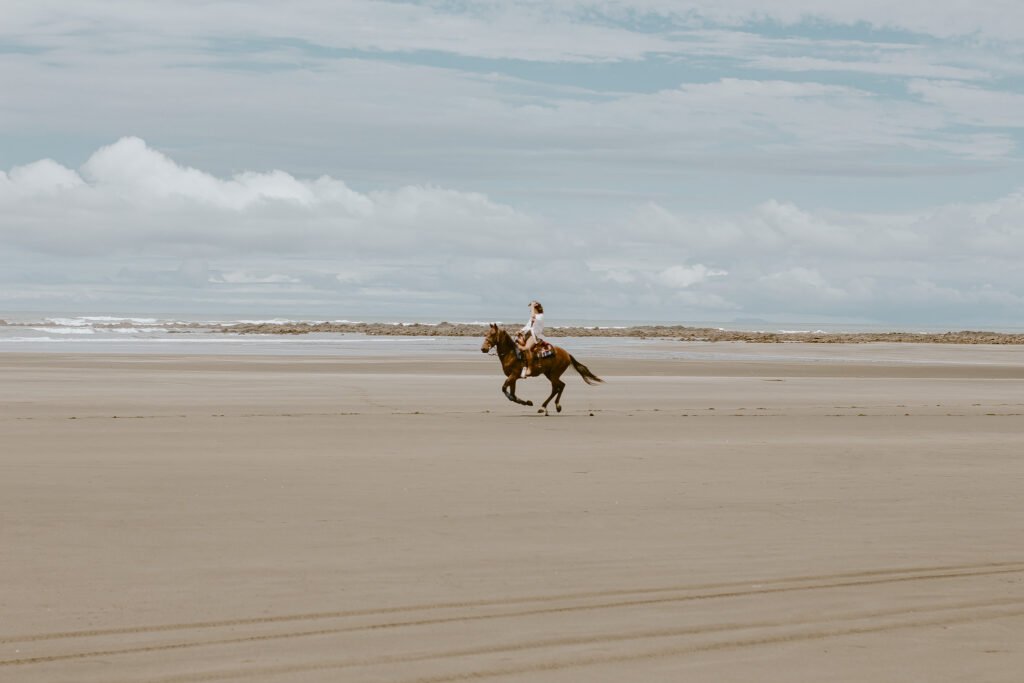
To truly experience the village, explore Coiba, take a surf lesson, enjoy a horseback ride at sunset, discover the local restaurants and embrace the slower rhythm of life, we recommend staying at least four nights. It’s the perfect amount of time to experience Santa Catalina without feeling rushed.
If snorkeling is on your list, don’t miss our complete guide to snorkeling in Santa Catalina, including the best spots, marine life and what to expect from a snorkeling trip.
Santa Catalina is also one of Panama’s best bases for diving. Our guide to scuba diving in Santa Catalina covers the best dive sites, marine life and what you need to know before your first dive.
Why Visit Santa Catalina?
Some destinations are famous for one thing.
Santa Catalina is different.
In just a few days, you can surf world-class waves in the morning, snorkel with sea turtles in the afternoon, enjoy fresh seafood at sunset, and wake up the next day for a diving trip in one of the most biodiverse marine parks on Earth.
Very few places offer that combination.
Unlike Playa Venao, which has become a lively surf town with a vibrant nightlife, Santa Catalina has remained quieter and more authentic. The focus here isn’t on parties or beach clubs. It’s about nature, the ocean and slowing down.
It’s also very different from Bocas del Toro. While Bocas is known for its Caribbean islands and backpacker atmosphere, Santa Catalina feels more intimate. Life revolves around the tides, the fishing boats and Coiba National Park rather than busy streets and island hopping.
Another reason travelers fall in love with Santa Catalina is its incredible diversity. Whether you’re traveling solo, as a couple, with friends or as a family, there’s always something to do. Surf lessons, scuba diving, snorkeling, horseback riding, kayaking, yoga, massages, sunset walks and wildlife encounters are all part of everyday life here.
If you’re looking for a peaceful adults-only escape, Nukumi Club offers one of the most unique boutique experiences in Santa Catalina. Its central location means everything is within walking distance, while its quiet atmosphere makes it easy to disconnect after a day of adventure.
Santa Catalina isn’t a destination you rush through.
It’s a place that invites you to slow down.
💡 Local Tip
Many visitors initially plan to spend only two nights in Santa Catalina before continuing their journey through Panama.
If your schedule allows it, stay at least four nights.
That gives you enough time to explore Coiba National Park, enjoy a surf lesson, discover different beaches, experience the local food scene and still leave room for a day with no plans at all… which often becomes everyone’s favorite day.
Looking for more inspiration? We’ve put together a local guide to the 10 best things to do in Santa Catalina, from Coiba excursions and surfing to horseback riding, kayaking and sunset spots.
Best Time to Visit
One of the best things about Santa Catalina is that there really isn’t a bad time to visit.
The village enjoys warm tropical temperatures throughout the year, making it a destination you can visit in every season. The biggest difference isn’t the temperature. It’s the rhythm of nature.
Dry Season (Late December to April)
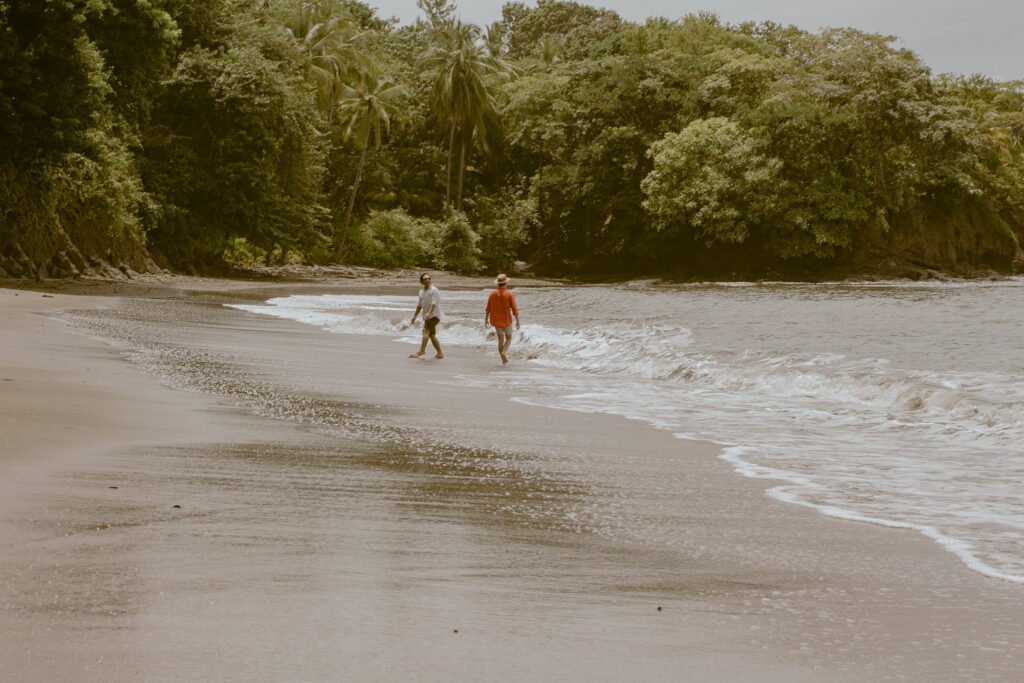
The dry season brings long sunny days, calmer roads and spectacular sunsets almost every evening. It’s also the busiest time of the year, especially during Christmas, New Year and Easter holidays.
If you’re planning to dive or stay at a boutique hotel like Nukumi Club, booking several months in advance is recommended during this period.
Green Season (May to November)
Don’t let the name “rainy season” scare you.
Rain usually comes in short tropical showers, often during the late afternoon or at night, leaving plenty of time to enjoy the beaches and outdoor activities.
Many locals actually prefer this season.
The jungle becomes incredibly lush, waterfalls begin flowing again, wildlife is more active, and Santa Catalina feels even more peaceful. Accommodation prices are often lower, making it a fantastic time to visit for travelers looking for better value.
💡 Local Tip
If you dream of seeing humpback whales during your trip to Coiba National Park, plan your visit between July and October. It’s one of the highlights of the Green Season and an unforgettable experience.
Weather
Santa Catalina enjoys a tropical climate all year round, with average daytime temperatures between 28°C and 32°C (82°F to 90°F).
Humidity is part of everyday life, especially during the Green Season, but the ocean breeze keeps the village surprisingly comfortable.
The weather also changes quickly.
A sunny morning can turn into a refreshing tropical shower before clearing up again for sunset. Rather than interrupting your trip, these brief rain showers often make the landscapes even more beautiful, bringing out the deep greens of the jungle and cooling the air.
If you’re planning outdoor activities such as surfing, snorkeling or a trip to Coiba National Park, flexibility is key. Local operators monitor conditions every day and will always recommend the safest option.
💡 What to Pack
No matter when you visit, don’t forget:
- Lightweight clothing
- Reef-safe sunscreen
- A reusable water bottle
- Flip-flops and comfortable walking shoes
- A light rain jacket
- A dry bag for boat trips
- A hat and sunglasses
Frequently Asked Questions
How many days should I stay in Santa Catalina?
We recommend at least four nights. This gives you enough time to visit Coiba National Park, take a surf lesson, explore the beaches, enjoy local restaurants and truly experience the relaxed pace of the village.
Should I bring cash?
Yes.
Although most restaurants and hotels accept credit cards, many activities, local shops and small businesses prefer cash. We recommend bringing between $200 and $500 USD, depending on the length of your stay.
There is an ATM in Santa Catalina, but it occasionally runs out of cash, especially during busy periods. If possible, withdraw money in Santiago de Veraguas before arriving.
If you’re planning your budget, our Santa Catalina budget guide covers typical accommodation, food, transportation and activity costs for different types of travelers.
Is Santa Catalina safe?
Yes.
Santa Catalina is considered one of the safest destinations in Panama. Like anywhere else, use common sense with your belongings, but visitors generally feel very comfortable walking around the village, even in the evening.
Do I need to book Coiba or scuba diving in advance?
For snorkeling, you can often book one or two days before your trip.
For scuba diving, especially during the high season, we strongly recommend booking one to two weeks in advance, as the best dive operators often fill up quickly.
Is Santa Catalina good for couples?
Absolutely.
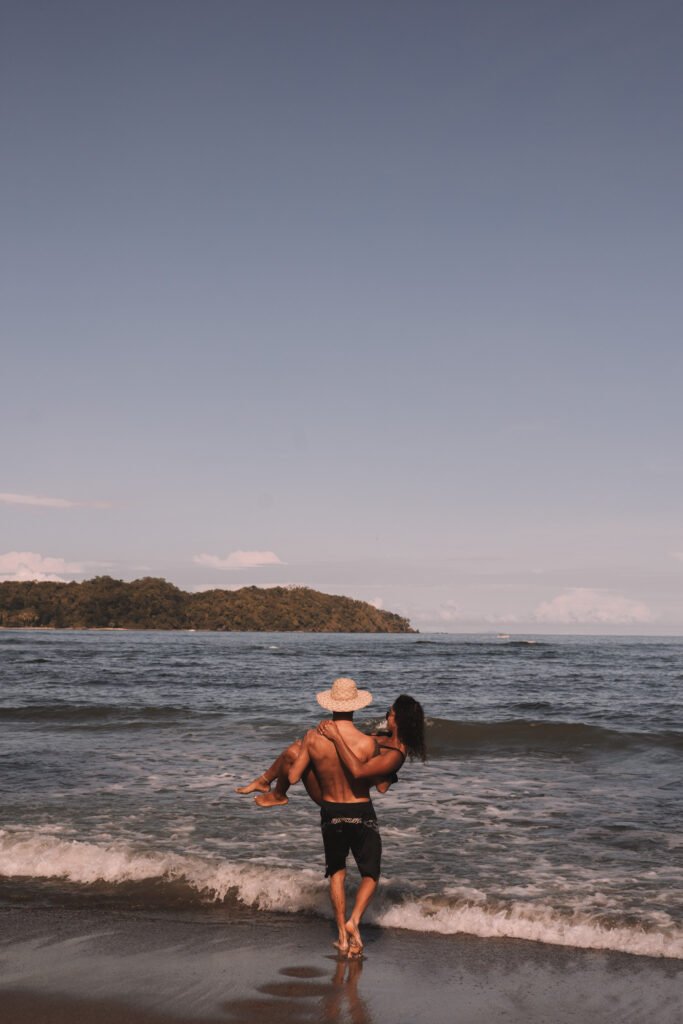
Between breathtaking sunsets, boutique hotels, peaceful beaches, incredible restaurants and unforgettable experiences like horseback riding or Coiba excursions, Santa Catalina is one of Panama’s most romantic destinations.
For couples looking for a quiet adults-only stay, Nukumi Club offers an intimate boutique experience designed for travelers who value privacy, comfort and thoughtful design.
Still have questions? Our Santa Catalina FAQ answers some of the most common questions about safety, cash, transportation, activities, beaches and planning your stay.
Before You Continue…
This guide is only the beginning.
In the following articles, we’ll take you deeper into Santa Catalina’s best beaches, surf breaks, Coiba National Park, snorkeling spots, diving experiences, restaurants and hidden local favorites, helping you plan the kind of trip you’ll still be talking about years from now.
See you in the next chapter. 🌴🌊